
No More Guesswork: Your Guide to New Jersey Landlord-Tenant Maintenance Agreements

Understanding the Ground Rules for NJ Property Maintenance

Confusion over landlord tenant maintenance responsibilities template nj agreements leads to more disputes than almost any other rental issue. For New Jersey property owners, clarity is crucial.
Key Maintenance Responsibilities in New Jersey:
Landlords must maintain: Heat (68°F day/65°F night Oct-May), hot water (120-160°F), plumbing, electrical systems, structural repairs, pest control, common areas, smoke detectors
Tenants must maintain: Property cleanliness, minor repairs, timely damage reporting, normal upkeep, returning property in same condition (minus normal wear)
Shared responsibilities: Clear communication, proper documentation, following legal notice requirements
The stakes are high. New Jersey's implied warranty of habitability legally requires landlords to keep rental properties safe and decent, while tenants are liable for damage beyond normal wear and tear.
"Many citizens of the State reside in dwelling units that fail to meet minimum standards of safety and sanitation. Tenants have a right to safe, sanitary and habitable housing in New Jersey," according to the state's official Habitability Bulletin.
Without a proper maintenance agreement, you risk security deposit disputes, emergency repair costs, legal liability, and code violations.
I'm Daniel Rivera, owner of Proactive Property Management. With experience managing hundreds of properties across New Jersey, I've seen how a clear landlord tenant maintenance responsibilities template nj prevents disputes before they start.

Navigating New Jersey's landlord-tenant law requires a well-defined landlord tenant maintenance responsibilities template nj to transform potential conflicts into smooth processes. At Proactive Property Management, our goal is to remove the guesswork so both parties understand their roles.
NJ law is specific: landlords must provide a safe home, complying with all housing codes and the Landlord Identity Law, which mandates registering contact information for emergency repairs. Understanding these rules is the first step toward a template that fosters a respectful, clear relationship.
The Ultimate Landlord Tenant Maintenance Responsibilities Template for NJ
A successful landlord tenant maintenance responsibilities template nj requires crystal-clear expectations that both landlords and tenants understand. When responsibilities are clearly defined, the landlord-tenant relationship runs smoothly, preventing confusion and disputes.
Landlord's Legal Obligations: Ensuring a Habitable Home

As New Jersey landlords, we provide homes, not just space. The state's implied warranty of habitability is non-negotiable law: your property must meet basic living standards, regardless of lease terms.
A "habitable" home in New Jersey must have functioning vital facilities—the essential systems for comfort and safety.
Heat and hot water are critical. From October 1st through May 15th, landlords must maintain at least 68°F during the day (6 AM to 11 PM) and 65°F at night. Hot water must be available year-round between 120°F and 160°F.
Plumbing and electrical systems must be safe and reliable. This includes promptly fixing burst pipes, ensuring outlets work, and addressing all electrical hazards.
Structural integrity is essential. Walls, floors, ceilings, and common areas like hallways must be safe and well-maintained.
Pest control is the landlord's responsibility, unless a tenant's actions cause the infestation.
Safety devices, including smoke and carbon monoxide detectors, must be installed and maintained by the landlord, who is also responsible for initial battery installation.
Lead-based paint disclosure is required for properties built before 1978. Landlords must provide EPA pamphlets and federal forms to inform tenants of potential hazards.
These requirements are the foundation of providing quality housing. For more details, see our guide on Landlord Legal Responsibilities and New Jersey's official Habitability Bulletin.
Tenant's Responsibilities: Upkeep and Reporting

Tenants play a crucial role as daily caretakers of the property, handling basic upkeep and identifying issues.
Timely reporting is the most important tenant responsibility. Prompt, written notice allows landlords to fix issues before they escalate, saving everyone time and money.
Property cleanliness is vital. Tenants must keep the unit clean and sanitary to prevent pests and preserve the property's condition, including proper trash disposal.
Preventing damage through reasonable care is expected. Tenants should avoid actions that could harm the property.
Minor upkeep tasks often fall to the tenant, such as replacing light bulbs, changing specified air filters, and replacing smoke detector batteries after the landlord's initial installation.
Allowing access for repairs is necessary. Landlords must provide reasonable notice (typically 24-48 hours) before entering, except in emergencies.
Notifying landlords of extended absences, especially in winter, is important to prevent issues like frozen pipes.
The key principle is that tenants should return the property in its original condition, minus normal wear and tear. For more details, see our guide on Landlord Tenant Rights in New Jersey.
A Clear Checklist for Your Landlord Tenant Maintenance Responsibilities Template in NJ
A key part of any landlord tenant maintenance responsibilities template nj is distinguishing normal wear and tear from tenant-caused damage. This distinction determines who pays for repairs and what can be deducted from a security deposit. NJ law requires security deposits to be returned within 30 days with an itemized list of any deductions.
Normal Wear and Tear | Tenant-Caused Damage |
Faded paint or minor scuffs on walls | Large holes in walls, crayon/marker drawings |
Worn carpeting in high-traffic areas | Stained, ripped, or burned carpets |
Minor scratches on hardwood floors | Deep gouges, pet urine stains on floors |
Loose door handles or minor cabinet wear | Broken doors, missing cabinet doors, smashed fixtures |
Small cracks in walls due to building settling | Large holes from impact, structural damage |
Faded window coverings from sun exposure | Broken blinds, ripped curtains |
Minor water stains around faucets from normal use | Water damage from overflowing tubs/sinks due to neglect |
Appliance wear from regular use | Broken appliances due to misuse |
Worn-out smoke detector batteries | Missing smoke detectors, tampered alarms |
Using a lease addendum with this checklist format eliminates guesswork. The goal is to make expectations clear to prevent disputes. This clear division of responsibilities, when documented and communicated, creates a framework where both parties understand their roles and can work together effectively.
The Official Repair Process: From Request to Resolution
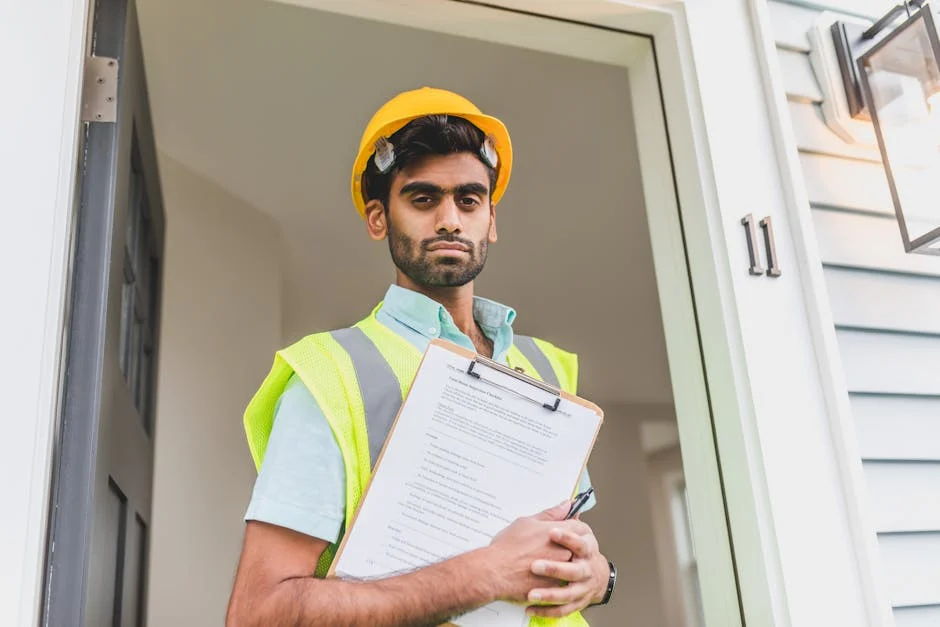
Even with the best template, things break. A smooth, predictable repair process is essential for fixing problems quickly while respecting everyone's rights.
Written Requests: These are the foundation of a good repair process. While emergency calls are fine, written follow-ups (via email, certified mail, or an online portal) protect everyone. Requests should include the date, contact info, a clear description, and photos if possible.
Documentation: Documenting the entire process prevents disputes. Landlords should acknowledge requests within 24-48 hours, assess urgency, and schedule repairs. Urgent issues affecting vital facilities (e.g., no heat, major leaks) require immediate action.
Landlord's Right of Entry: This must respect tenant privacy. New Jersey law requires reasonable notice (usually 24-48 hours) before entering, except for true emergencies like a gas leak or major flood.
Emergency Repairs: Issues affecting habitability or safety get top priority. Routine maintenance should be scheduled at a time convenient for the tenant.
Communication Logs: Documenting every step—from request to resolution—is invaluable for tracking maintenance history and resolving potential disputes.
Our systematic approach, detailed in our Tips for Property Maintenance NJ guide, ensures repairs happen efficiently while maintaining positive landlord-tenant relationships.
Navigating Disputes and Ensuring Compliance
Even with clear templates, disputes can arise over neglected repairs. Understanding the legal remedies available in New Jersey can save both landlords and tenants from costly headaches.
Legal Remedies When Repairs Are Neglected
When a landlord fails to make necessary repairs after receiving proper notice, New Jersey law provides tenants with several powerful remedies. Each must be used correctly to be effective.
Rent withholding allows a tenant to stop paying rent for a substantial issue affecting a "vital facility" (like heat or water). The tenant must provide written notice, allow reasonable time for repairs, and place the withheld rent into an escrow account. This is a legal tool to compel repairs, not a rent-free pass.
Repair and deduct allows a tenant, after giving proper notice and time, to hire a professional for repairs and deduct the reasonable cost from the rent. This requires licensed professionals and detailed receipts.
Constructive eviction applies when conditions become so unlivable that a tenant is forced to move out. This high legal bar allows a tenant to break the lease without penalty, but only after giving written notice and allowing time for repairs before vacating.
Small claims court is an accessible option for smaller disputes, such as suing for damages from unaddressed issues or recovering a wrongfully withheld security deposit.
Rent abatement or a rent receiver may be ordered by a court in extreme cases, either reducing rent or appointing a third party to manage repairs using rent funds.
Landlords who ignore maintenance face serious stakes, including financial penalties, lawsuits, and liability for injuries caused by unsafe conditions.
For detailed guidance on resolving these disputes, check out our comprehensive guide on Landlord Tenant Disputes NJ and New Jersey's thorough A guide to Tenants' Rights in New Jersey.
Partnering for Proactive Property Maintenance
Managing rental properties in New Jersey is complex. Staying current on laws, coordinating repairs, and keeping tenants happy is a full-time job. That's where Proactive Property Management comes in. Our philosophy is to catch problems before they become disasters, protecting your investment and your peace of mind.
Stress Reduction: We handle the 2 AM emergency calls and contractor coordination, freeing you to focus on what matters most.
Legal Compliance: We ensure your leases, maintenance practices, and landlord tenant maintenance responsibilities template nj adhere to all current New Jersey laws, from Fair Housing to security deposit rules.
Proactive Maintenance: Regular inspections identify potential issues early, saving you money on emergency repairs. We use a vetted network of licensed, insured contractors who respond quickly.
Efficient Communication: We act as a central, professional hub for all tenant requests, ensuring proper documentation and follow-through.
Financial Benefits: Well-maintained properties attract better tenants, reduce turnover, command higher rents, and lower long-term costs.
Transparent Reporting: Our system gives you real-time access to financial reports and maintenance logs, keeping you informed without the daily hassle.
Our Property Maintenance Coordination Services are designed to make property ownership profitable and stress-free. We manage residential properties throughout New Jersey, including Bayonne, Clifton, Fort Lee, Hackensack, Hoboken, Jersey City, Newark, North Bergen, Union City, West New York, and many other communities across Bergen, Essex, Hudson, Morris, Passaic, Sussex, Union, and Warren Counties.
Don't let maintenance headaches drain your investment. Partner with us to see what proactive management can do for your peace of mind and your bottom line.


Landlord and tenant maintenance templates help clarify who handles repairs, notices, access, and documentation in New Jersey rentals. When an owner needs details about a warranty issue, American Home Shield phone number identifies a direct contact point before the repair delay becomes a bigger rental problem. Home warranties enter the same practical space because property owners may rely on them for appliances, plumbing, HVAC, or other systems that affect tenants. A maintenance plan is only useful if service requests, contractor scheduling, claim decisions, and billing questions are explained clearly.